What Really Happens When Startups Start Scaling - And Why Most Aren't Ready
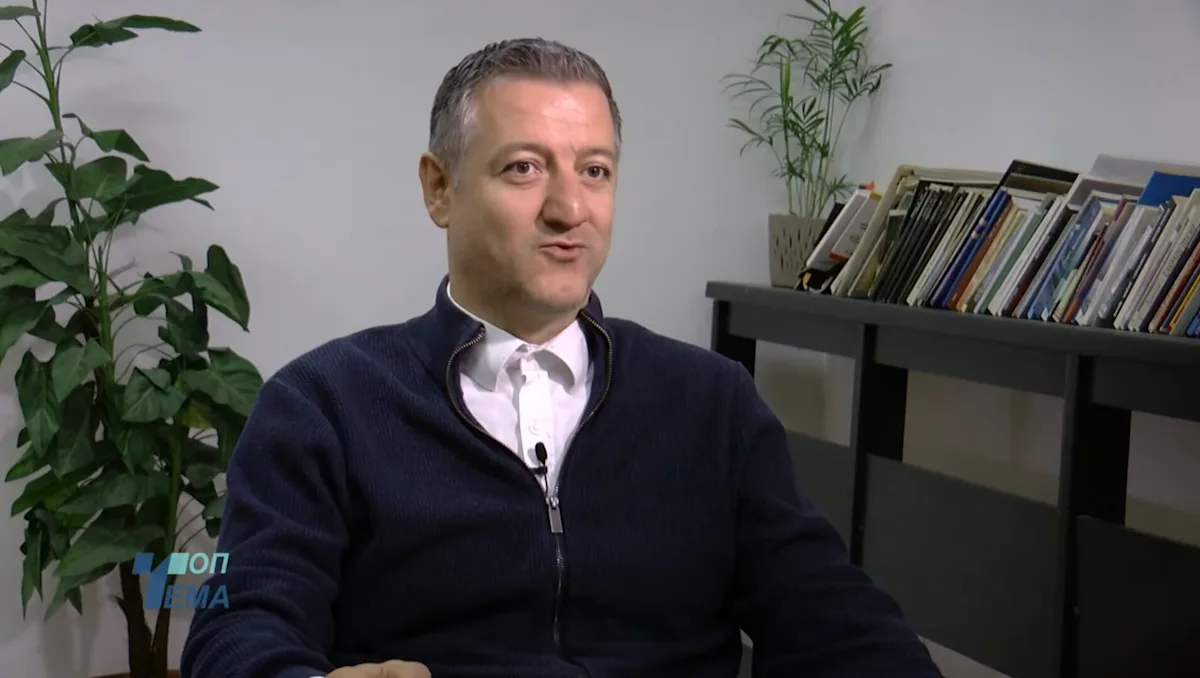
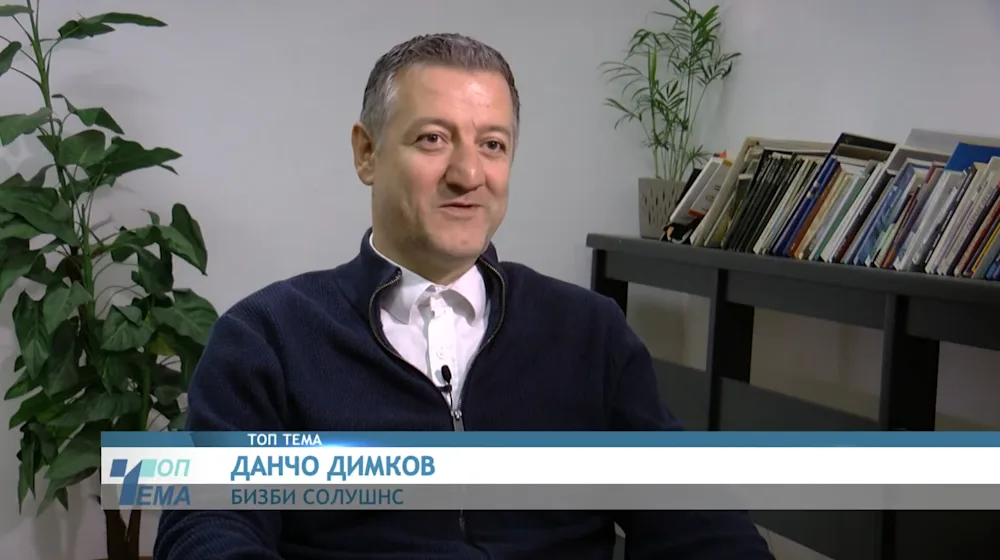
On Telma TV I unpacked what actually happens when startups start to grow - why "we have a sales problem" is almost never the real problem, why delegation trips up founders, the three ways to grow (and why most choose blind), and how a business diagnostic finds the weak point before expansion turns it into an expensive mistake.
Watch the full interview
Every founder dreams of the moment the business takes off. Scaling feels like the reward for years of hard work. But what I see almost every week - and what I talked through recently on Telma TV's Top Tema - is that scaling isn't the finish line. It's where the real test begins. Growth doesn't smooth over the problems you already have; it magnifies them. And most companies, even good ones, aren't ready when the moment comes.
"We have a sales problem" - and why that's almost never true
Ask a founder what's holding the company back and you'll usually hear the same answer: sales. "Whenever we talk to owners, the typical problem they name is sales," as I put it on Telma. "But most often that's not the problem - it's a symptom. The real problem is usually somewhere else."
In about 95% of the companies we work with, the sales slump is the visible part of a deeper issue. Maybe the market shifted and customers no longer have the need they used to. Maybe a new competitor appeared with a superior product or a better price. Maybe something changed inside the company - the margin, the price, a product tweak the market quietly rejected. Sales is just where the pain shows up first. Fix the underlying problem, and sales stops being a problem on its own. So before you pour money into a bigger sales push to fuel growth, ask whether you're treating the symptom or the disease.
The first thing that breaks is delegation
The earliest challenge of scaling isn't strategy - it's letting go. "Delegation is the phase that's the biggest challenge when companies start to expand," I told Telma. It cuts two ways: you have to hand real responsibility to other people, and you have to have the right people to hand it to.
This is where a lot of founders quietly stall. The business that ran beautifully when one person held everything in their head can't grow past that person's capacity. If every decision still routes through you, your company's ceiling is your own calendar. Growth forces a hard, personal shift: from being the one who does everything to being the one who builds a team that can.
Startup or scale-up? How to know it's actually time
"I'd split it into two phases," I explained. "In the startup phase you're still searching for product-market fit - you experiment with price, you experiment in the market, you look for the right offer. When you grow into a scale-up, it means you already have product-market fit, and the focus shifts from experimenting to expansion - new markets, new territories."
That line - product-market fit - is the real test of readiness. Before it, more growth just multiplies an unproven formula. After it, growth multiplies something that works. If you're still tweaking the offer to see what sticks, you're not ready to scale yet - you're still in discovery. I went deeper on this in From Startup to Scale-Up.
There are three ways to grow - and most companies pick blind
"There's the Ansoff matrix," I noted on Telma - three classic ways a company can grow: enter new markets, introduce new products or services, or win a bigger share of the market you're already in.
The trap isn't choosing wrong. It's choosing without a clear picture. "The biggest problem for companies that want to grow is that they don't have a clear picture of which move is right" - should we enter a new market, improve the product, how will the market react, how will competitors respond? Without answers, that's not a strategy. It's a guess with money attached.
A business diagnostic is like going to the doctor
This is exactly where a business diagnostic earns its place. "It's like going to the doctor," I said. "We come into the company and examine the different aspects - HR, marketing, sales, finance - to find the potential problems that, once the owners fix them, make growing the business much easier."
The job is to tell an external cause (the market, price or competition shifted) apart from an internal one (margins, a price hike, a product change) - so you treat the right thing. A diagnostic doesn't hand you a ready-made answer; it gives you the clarity to choose. For some companies the answer is to sharpen the product; for others, to launch a new one that fits where the market has moved. It's the same structured diagnostic approach we use to turn "something's off" into a prioritised plan. And it's never too late - it's most useful when a company is at a crossroads and isn't sure whether to go left, right, or straight, so you weigh all three before you commit.
Can't you just do it yourself?
Often, yes - and we run internal diagnostics on our own companies too. The advantage is you know exactly where to look. But there's a built-in limit: you can't see the forest for the trees. Founders are bound by their own perspective and focused on the big picture, so they miss things an outsider spots immediately. That's the real value of a neutral, unbiased outside view - not that you can't assess your own business, but that you're too close to it to see all of it.
Three moves before you scale
If you take one thing from the Telma conversation, make it this sequence - the three things I'd tell any startup about to expand:
- Nail product-market fit first. Is the offer right for the market, is the price right, how does competition respond? PMF is your signal you've found the formula.
- Run a business diagnostic before you expand. Once you have PMF, a diagnostic shows you how to grow most strategically - and where the weak points are.
- Get outside help. Expanding to new markets is hard, and an experienced outside view minimises costly mistakes - because in the end, every mistake in business costs money.
Scaling rewards the companies that are ready for it and quietly punishes the ones that aren't. The good news: readiness is something you can check - before the market checks it for you. A Business Pulse diagnostic shows you where you actually stand and which weak point to fix first, so your next stage of growth is acceleration, not an expensive lesson.