Before You Digitize the Factory, Measure How Work Actually Happens - What REFA and MTM Taught Me
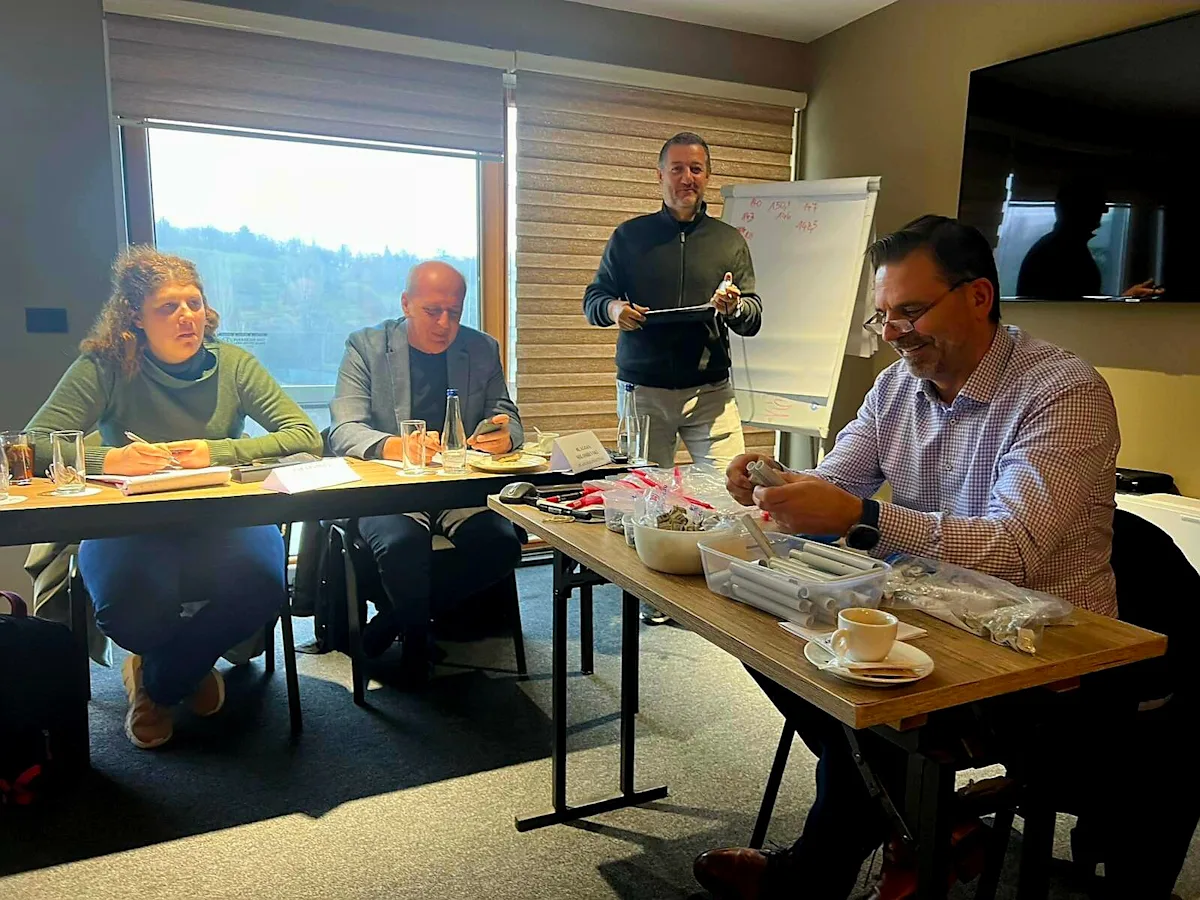
I spent four long days in REFA and MTM training - German methodologies for designing and measuring manufacturing work. What I took away wasn't a new service. It was a sharper diagnostic lens, and a clear message for manufacturers: before you fix, digitize, or scale anything, first understand how work truly happens.
I started the year the way I hoped to: a good winter break in Cyprus with the family, then straight into four really long - but genuinely rewarding - days of training in REFA and MTM.
If you're not close to manufacturing or operations, chances are you've never heard of them. Honestly, neither had I, until now. But they reshaped how I think about a problem every business has: the gap between how we assume work happens and how it actually does.
REFA: measure the work as it really is
REFA is a German methodology - run by the country's oldest work-design organisation, going back to 1924 - focused on how work is designed and organised. The core idea is refreshingly honest: you improve productivity not by guessing, but by measuring work as it is, identifying where the inefficiencies actually occur, and then optimising and normalising processes and roles based on data - not assumptions.
That last part is the whole game. Most "improvement" starts from an opinion about where the problem is. REFA starts from a measurement of where it really is.
MTM: go one level deeper, to human movement
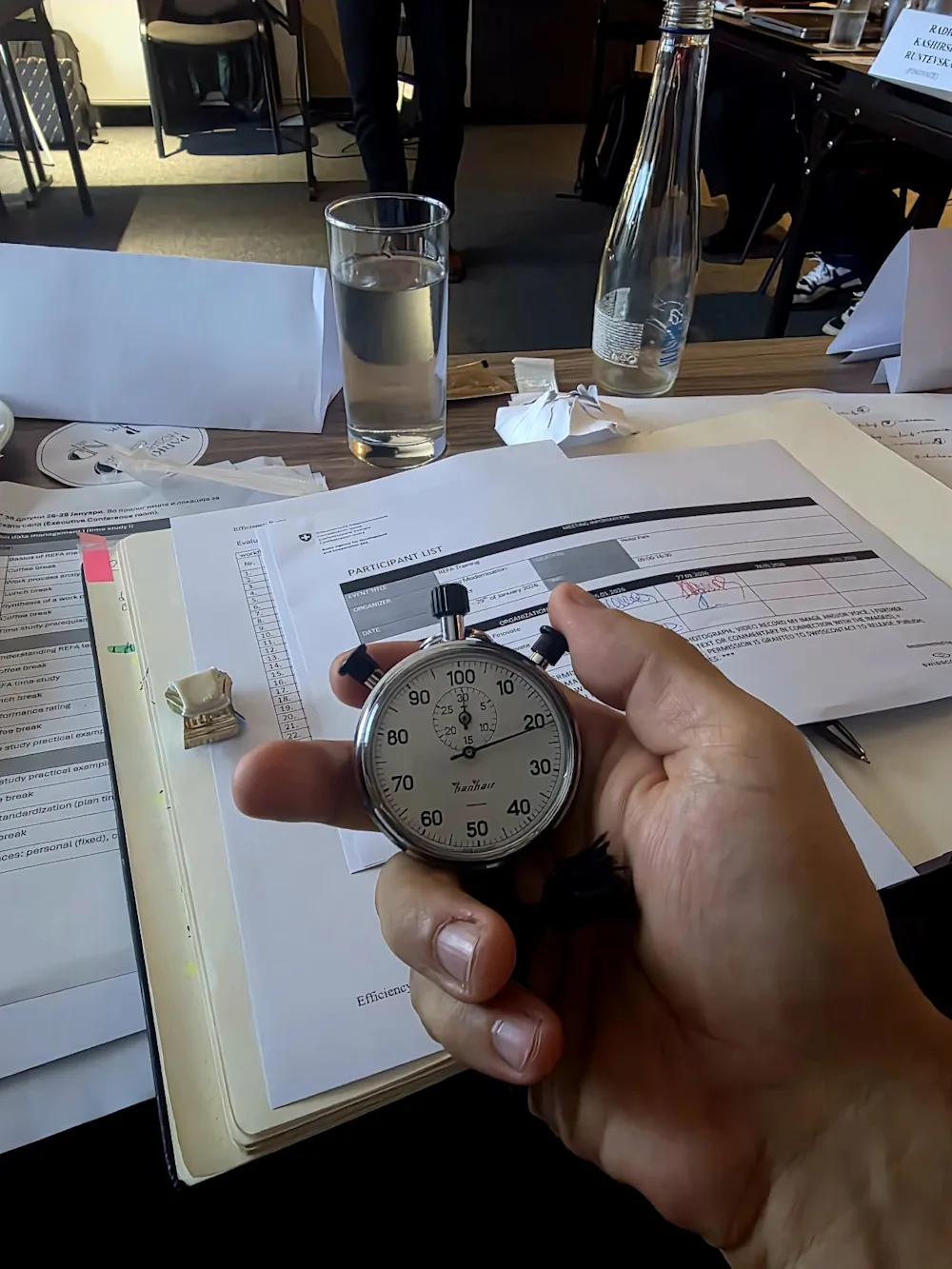
MTM (Methods-Time Measurement) goes a level deeper and looks at human work itself. It's a predetermined motion-time system: it breaks a manual task down into its basic movements - reach, grasp, move, position, release - and assigns each a standard time, so you can analyse and plan work down to the motion.
The goal isn't to crack the whip. It's to reduce wasted movement, improve ergonomics and comfort, and increase productivity - without pushing people harder, just by designing the work better. That distinction matters: a well-designed workstation beats a stressed worker every time.
What I'm actually taking away
Here's the thing, though. What I'm taking away isn't "time studies" as a service to sell.
It's a much stronger diagnostic lens for advisory and consulting work. The principle underneath REFA and MTM is exactly the one I keep coming back to with every client: before fixing, digitizing, or scaling anything, first understand how work truly happens. Buy the software, add the people, expand the line - but only after you've seen the real work, not the imagined version of it.
Why this matters for manufacturers
If you run a manufacturing or operations-heavy business, this is the part I want you to hear. The most expensive mistake I see isn't a bad machine or a weak team - it's optimising or digitizing a process nobody has truly measured. Automate a workflow you don't fully understand and you don't remove the inefficiency; you just make it run faster and cost more to unwind later.
The fix is the same discipline REFA and MTM teach, applied at the business level: look honestly at how the work actually flows, find where time and effort genuinely leak, and redesign from there. It's the same reason, in any business, that tools have to follow processes, not the other way around - and why you can't scale a model you haven't understood.
A diagnostic for the shop floor, too
Up to now, most of our diagnostic work has been with service, IT and consulting companies - like the software house we helped restructure for growth. But the method travels. A Business Pulse diagnostic starts exactly where REFA does - with how things really work today, across operations, finance, sales and people - before recommending what to change.
So if you're a manufacturer about to invest in automation, a new line, or an expansion, the smartest first move isn't the purchase order. It's a clear-eyed look at how work happens on your floor right now - so the investment lands on a solid, measured foundation instead of a guess.
What to do next
Pick the process that's about to get bigger or get automated, and ask the REFA question before the spending question: do we actually know how this work happens, or are we assuming? If it's an assumption, that's where to start - and it's exactly what a diagnostic is for.
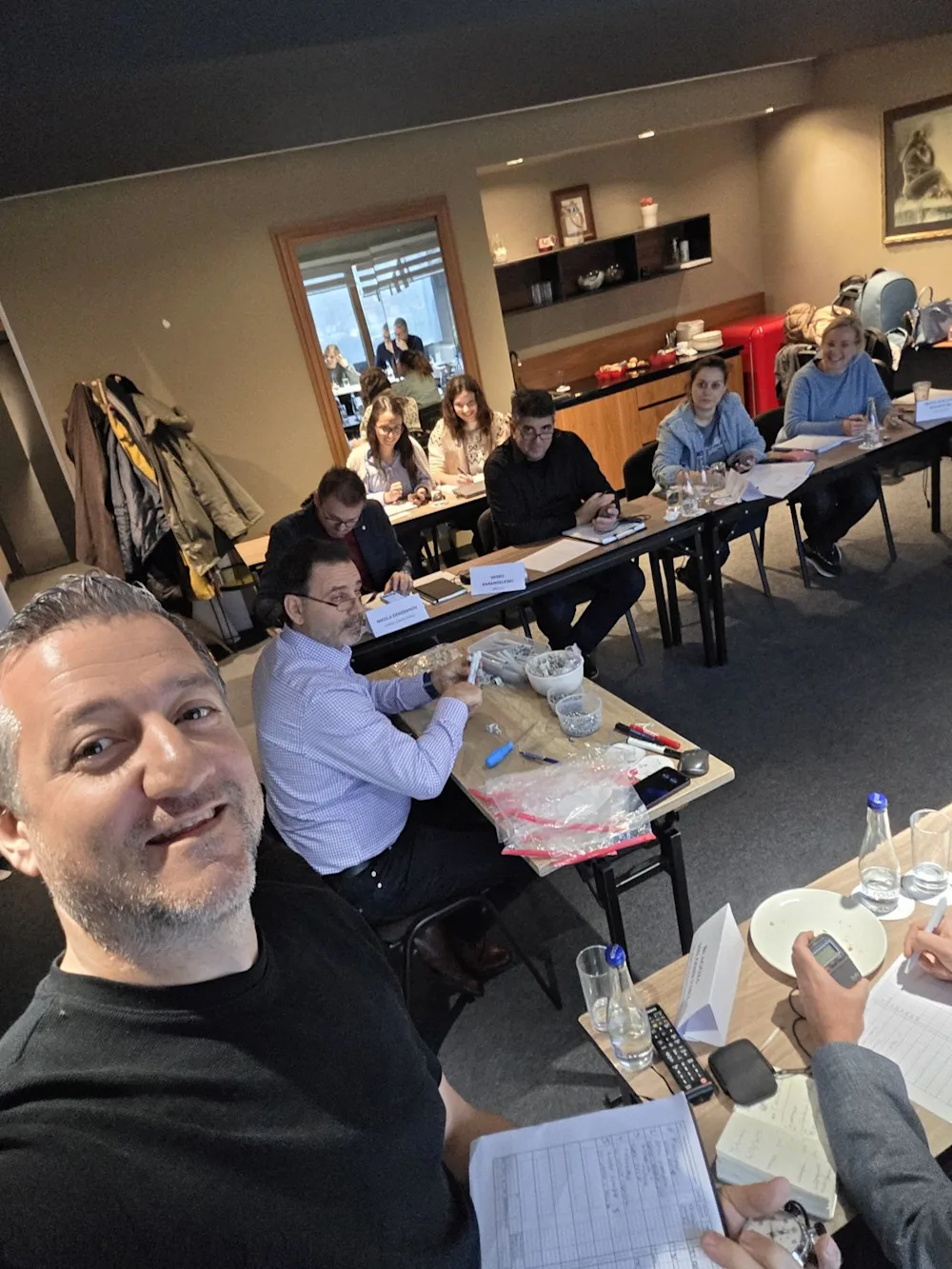
Four long days, a lot of thinking, very practical learning. Thanks to Gregor Lapuh for the training - and for the reminder that the best optimisation always starts with honest measurement.